Jakarta Mangrove Resort Conceptual Masterplan
- Client
- PT Murindra Karya Lestari (Taman Wisata Alam Angke Kapuk)
- Location
- Jakarta
- Size
- 100 hectare
- Year
- 2026
Services Provided
- Sustainable Development Strategy
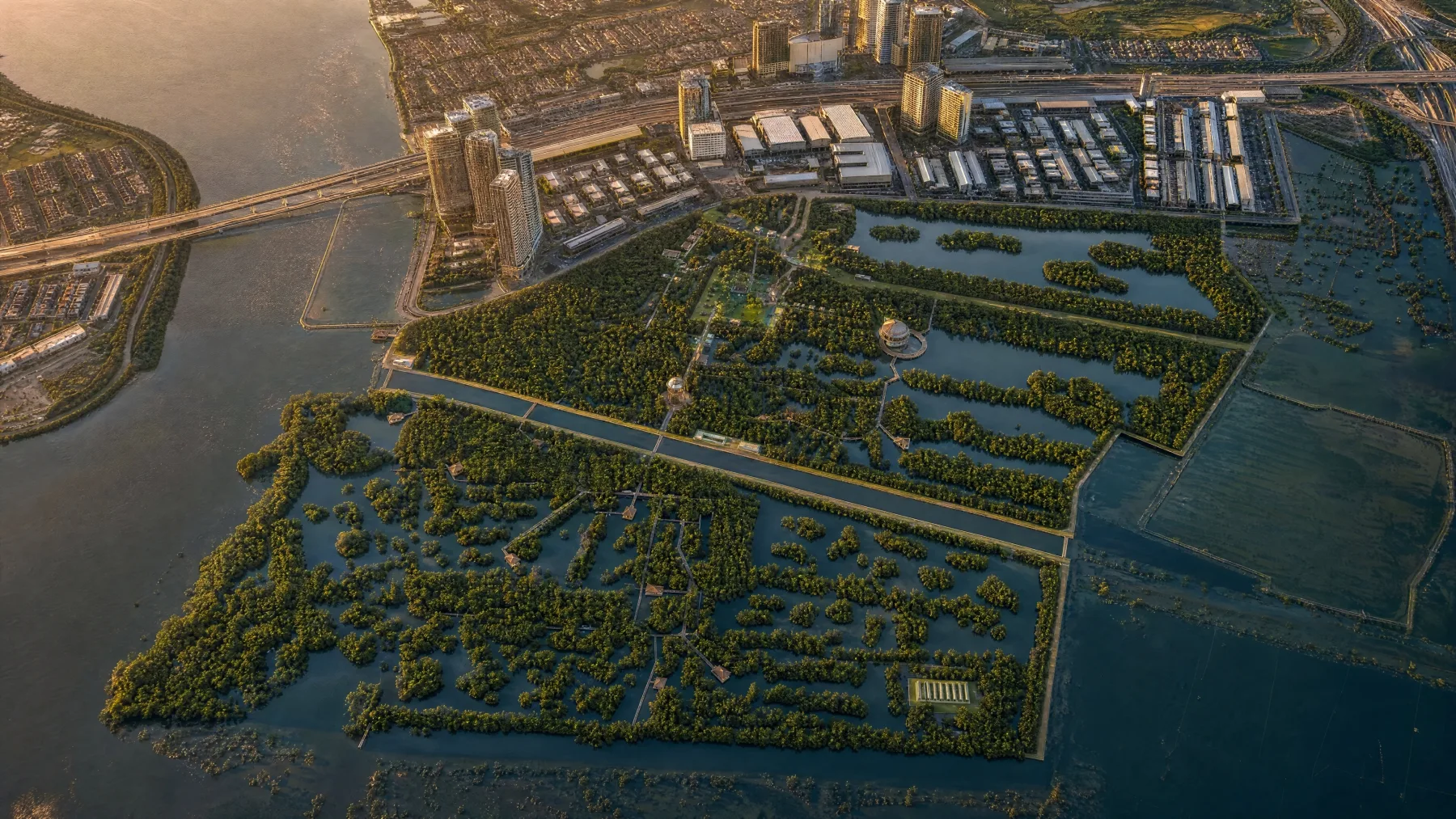
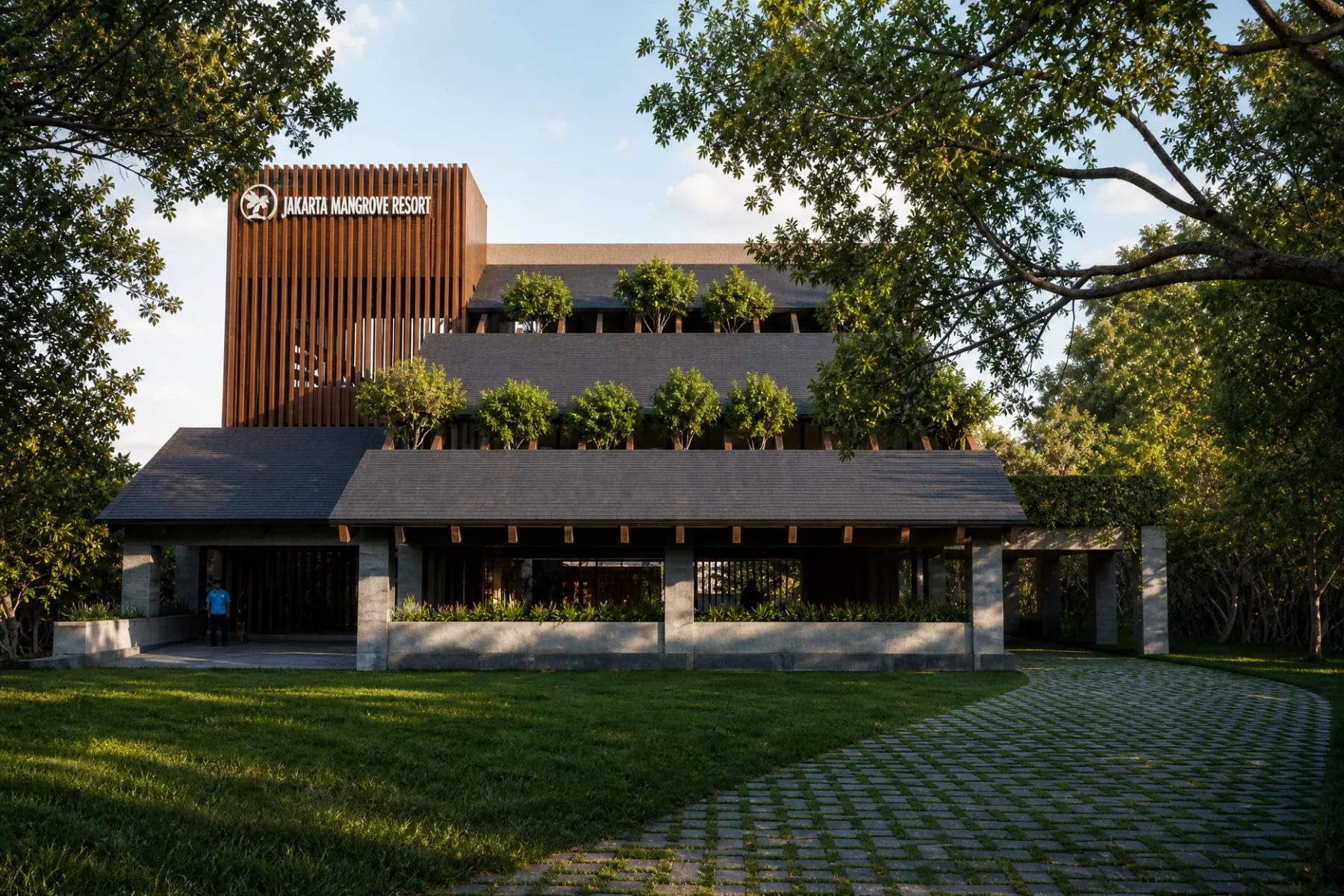
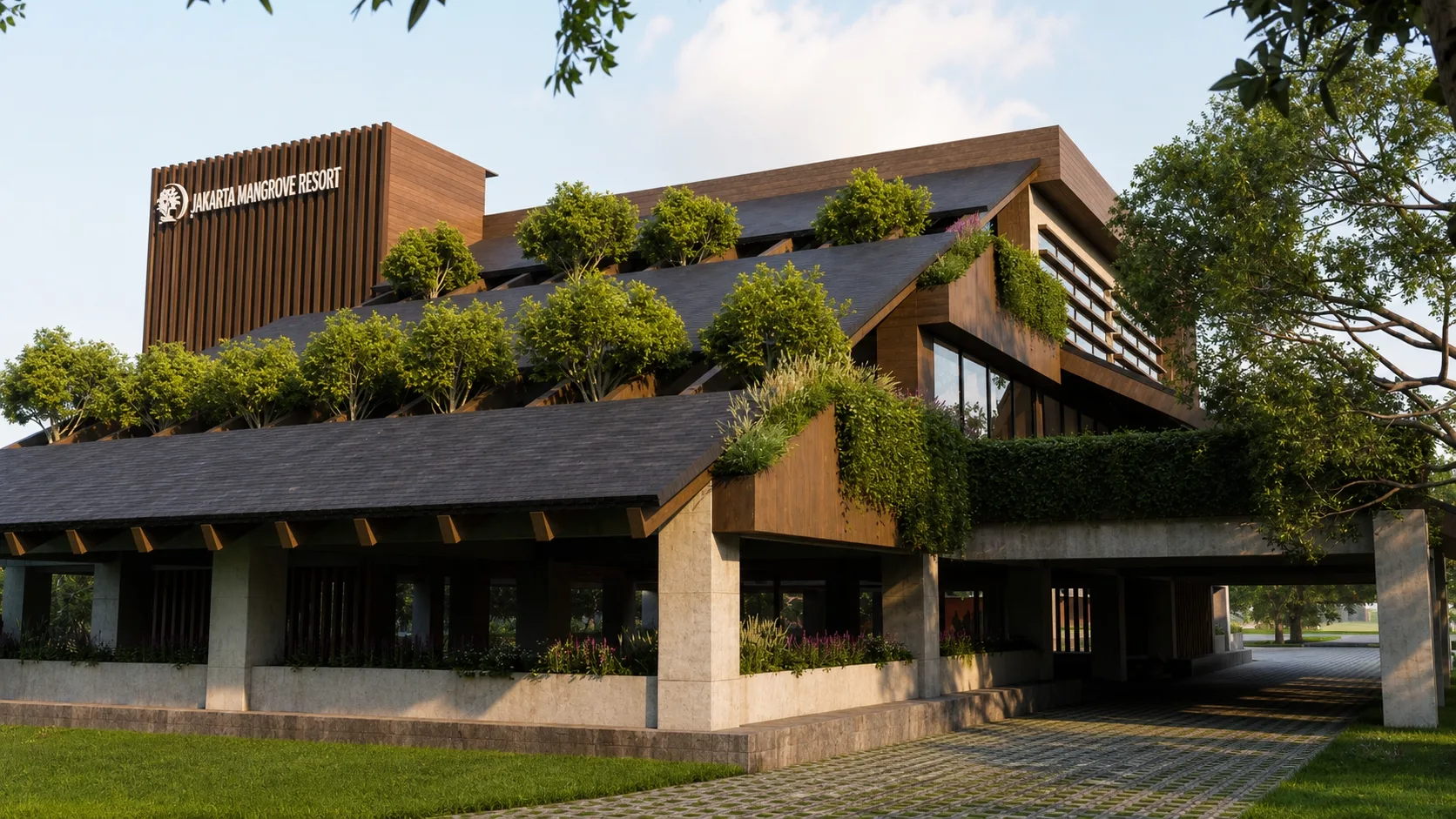
The conceptual master plan for the New Taman Wisata Alam Angke Kapuk (TWAAK) aims to transform the Jakarta Mangrove Resort into a climate-resilient, net-zero eco-park. The development is structured to become Indonesia's first urban eco-park to achieve the Greenship Neighborhood (NH) Plan Certification by merging advanced ecological restoration with low-carbon, low-impact design. This vision emphasizes protecting the existing mangrove forests and secluded water bodies while promoting holistic sustainability through zero-emission zones and green commercial development.
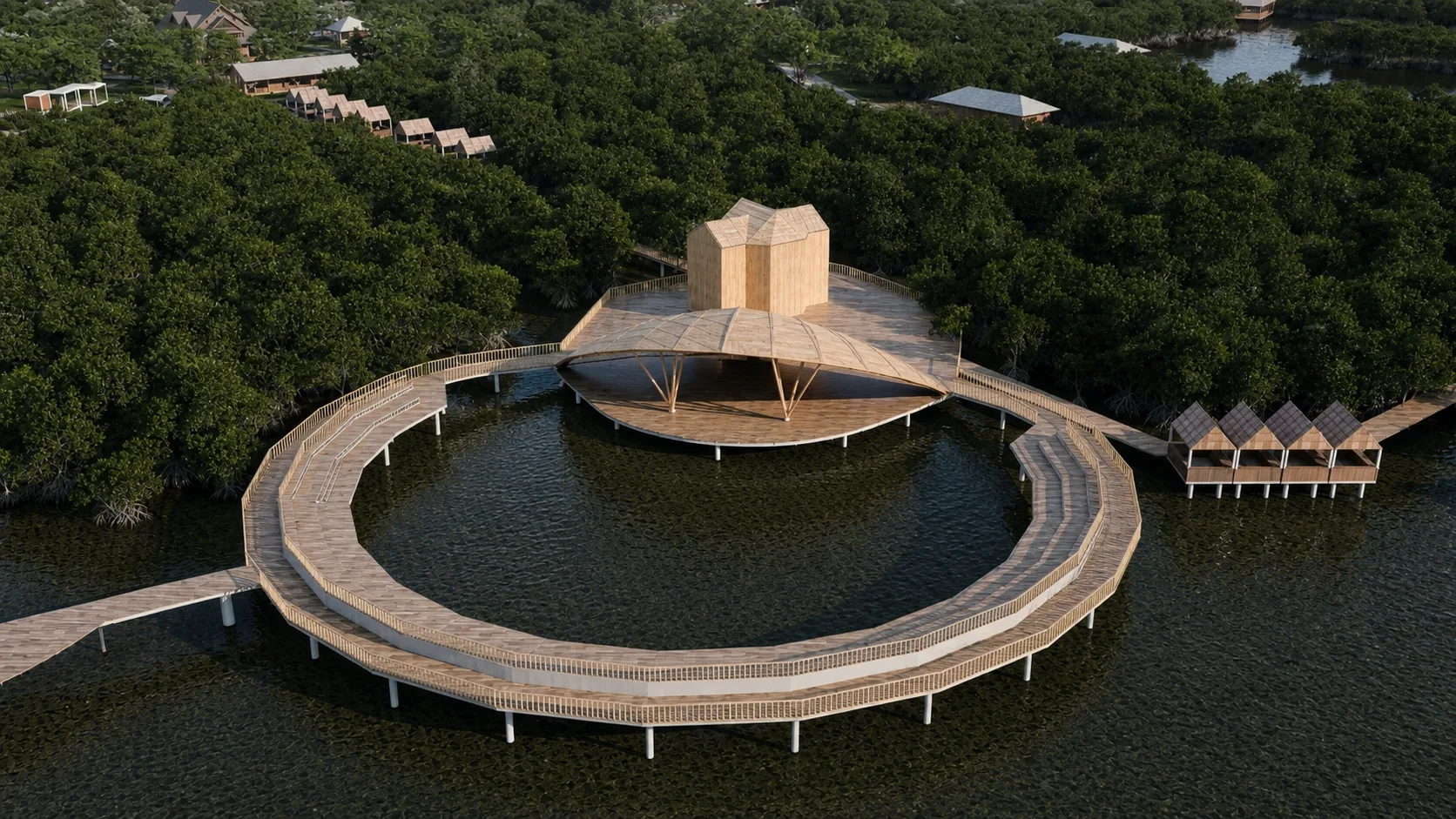
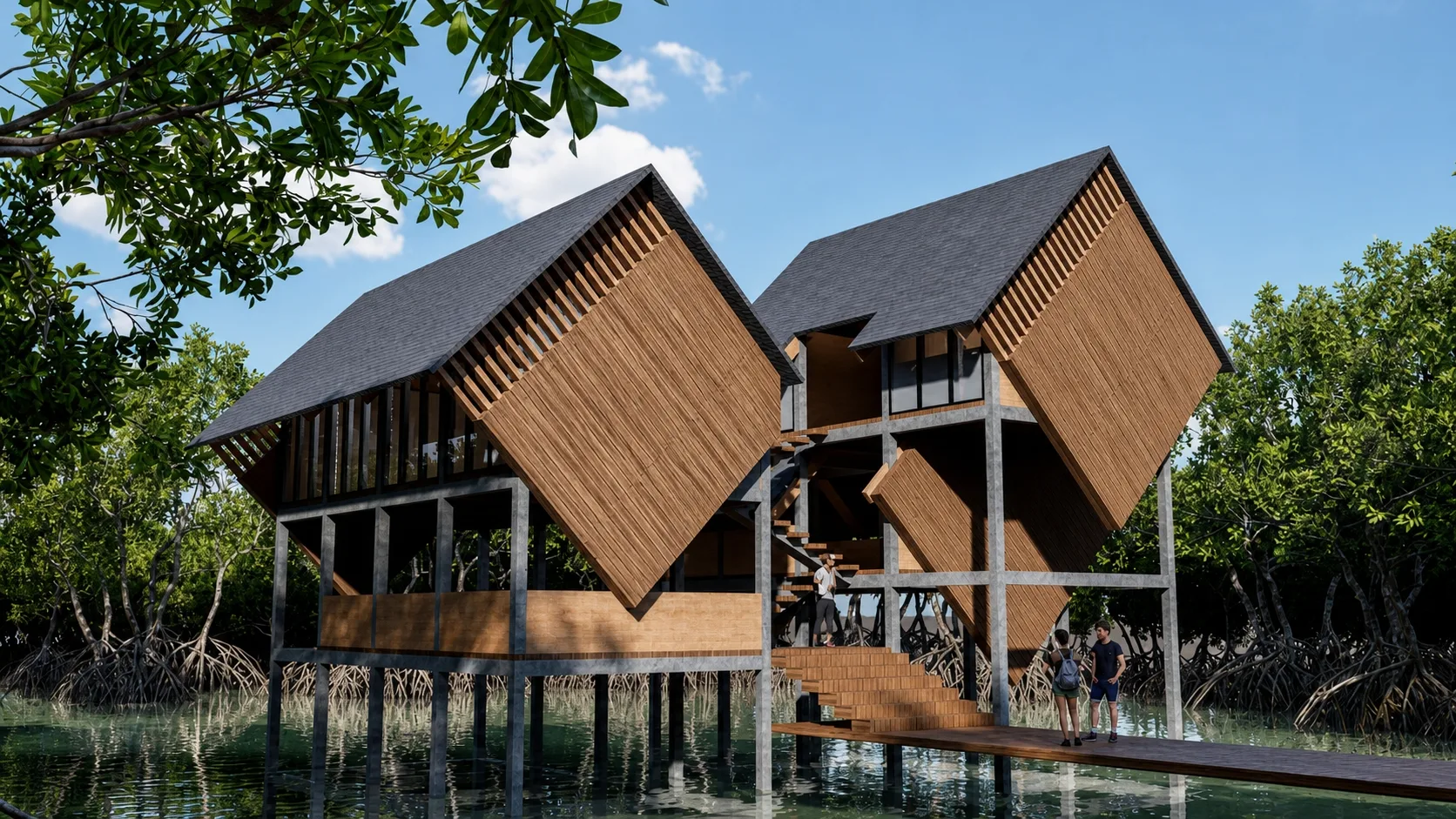
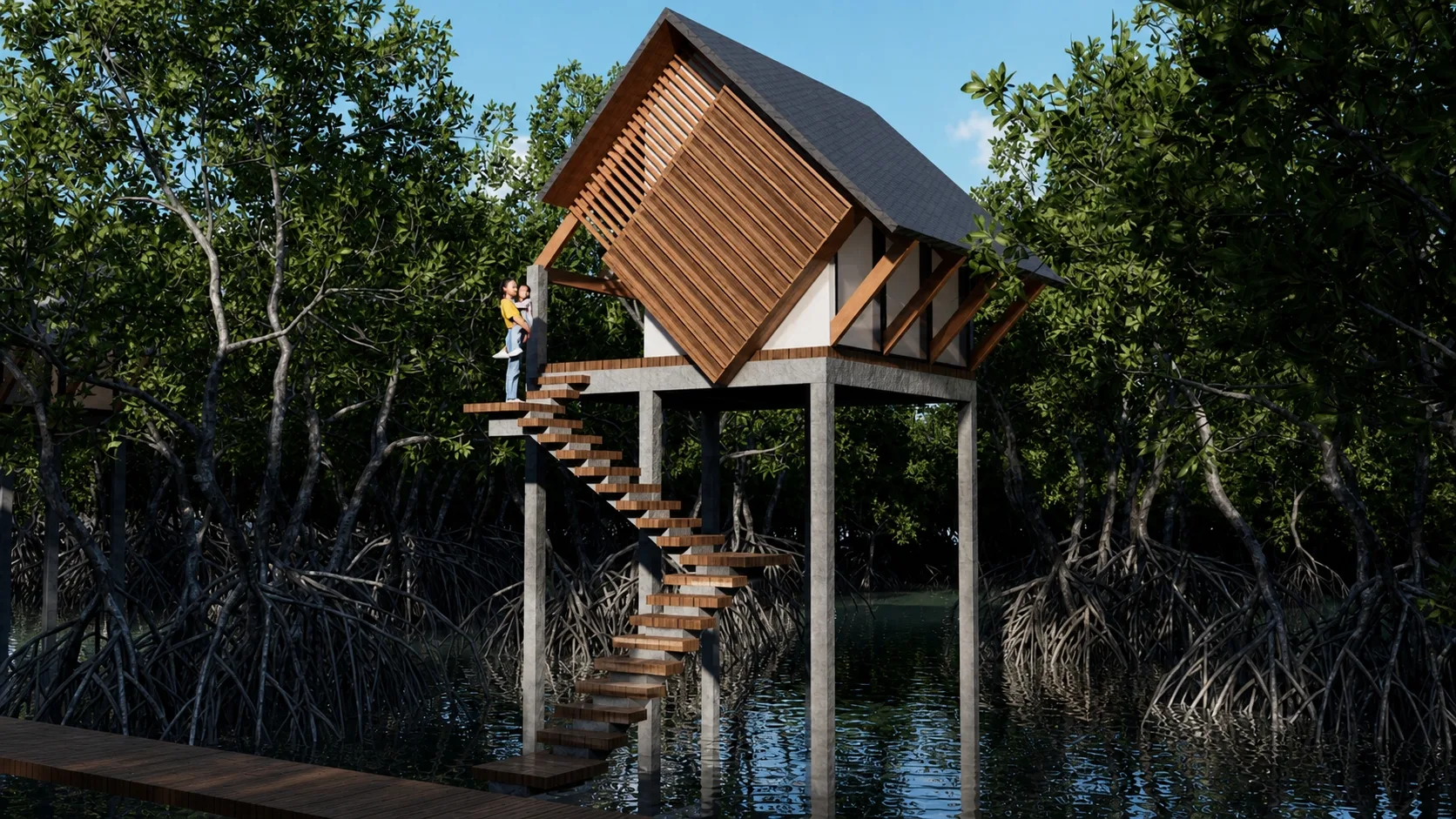
Central to the master plan is a hybrid climate resilience strategy that balances mitigation and adaptation across the 100-hectare site. In the central reclaimed area, perimeter sea walls are utilized to mitigate tidal flooding and coastal inundation. Conversely, for the remaining 90% of the park located in the sensitive mangrove zones, all new structures and walkways are elevated on pilotis (columns). This adaptive approach ensures that natural tidal flows remain unobstructed while safely accommodating projected sea-level rise and land subsidence over the next 30 years.
To protect the tranquil environment, the park's connectivity network strictly restricts internal combustion engines in favor of sustainable eco-mobility. A dedicated electric shuttle bus system connects visitors from TransJakarta stops to the park, while an internal network supports conventional bicycles, sustainable bamboo bicycles, and electric tricycles. The pedestrian circulation system features a 435-meter inner loop and approximately 2,100 meters of outer "tentacle" walkways constructed from lightweight precast concrete and renewable Cross-Laminated Timber (CLT) or bamboo. Additionally, navigable water bypass channels allow kayaks to traverse the estuary, utilizing contemporary nature-based artworks as wayfinding landmarks.
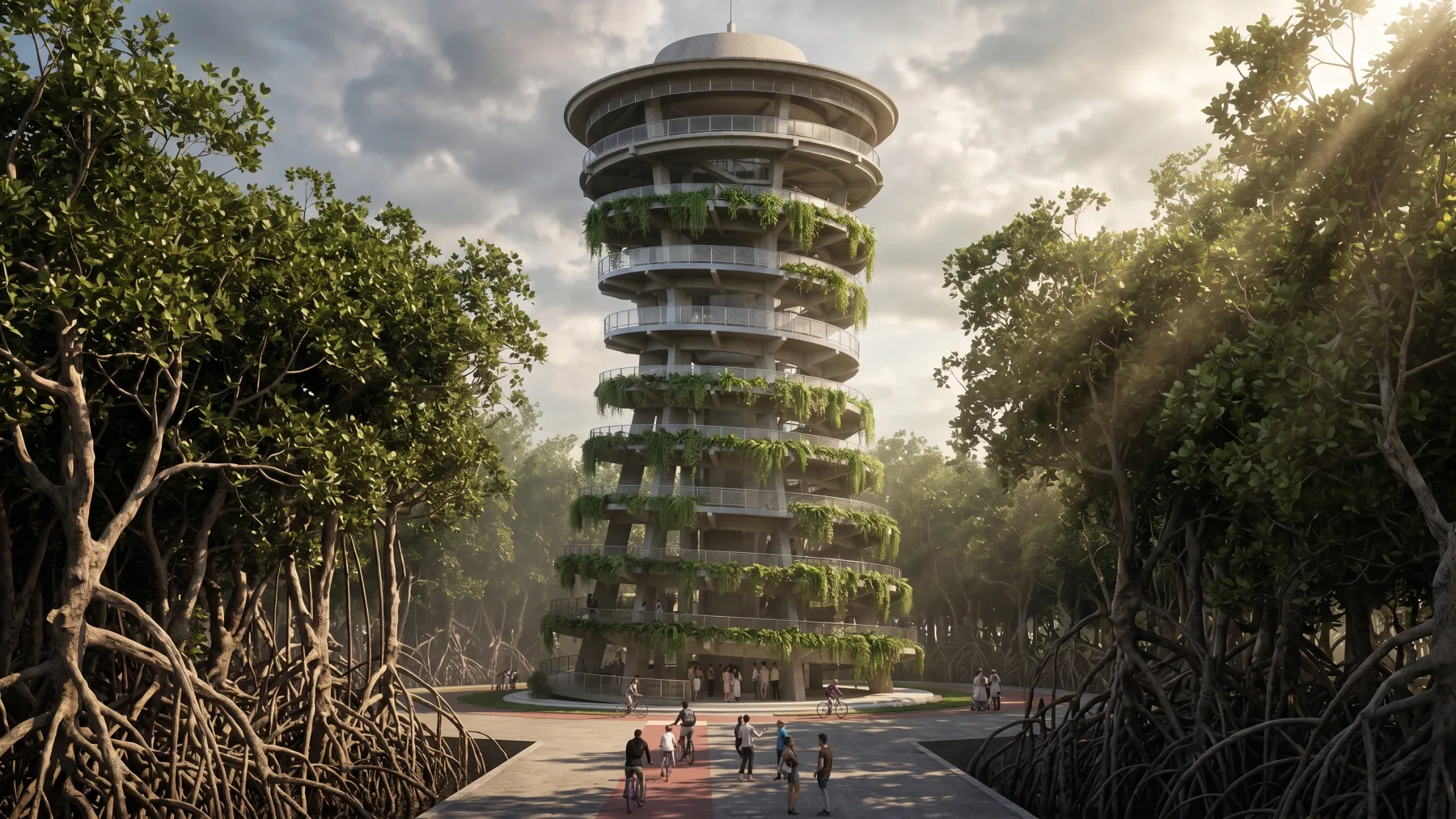
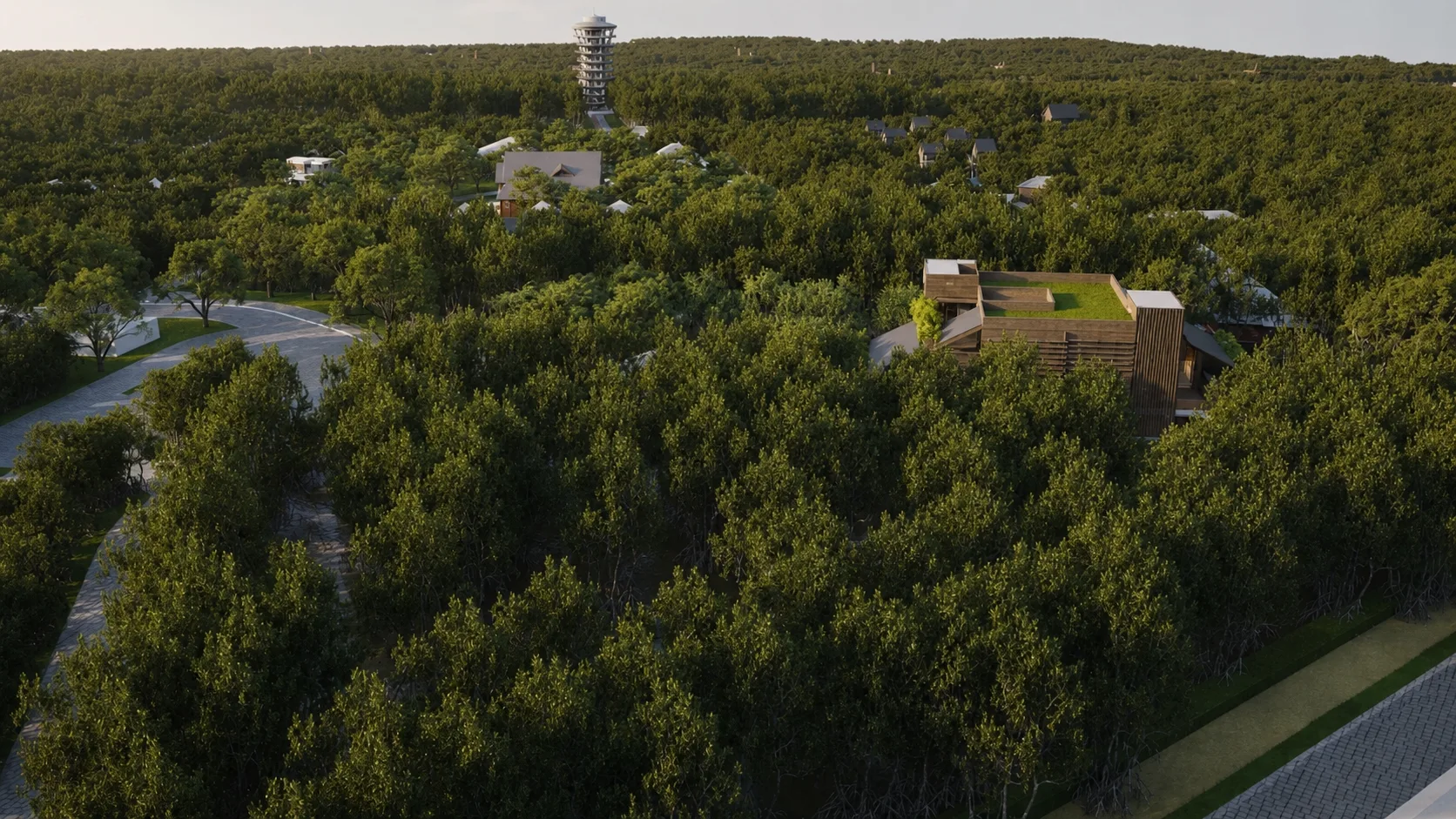
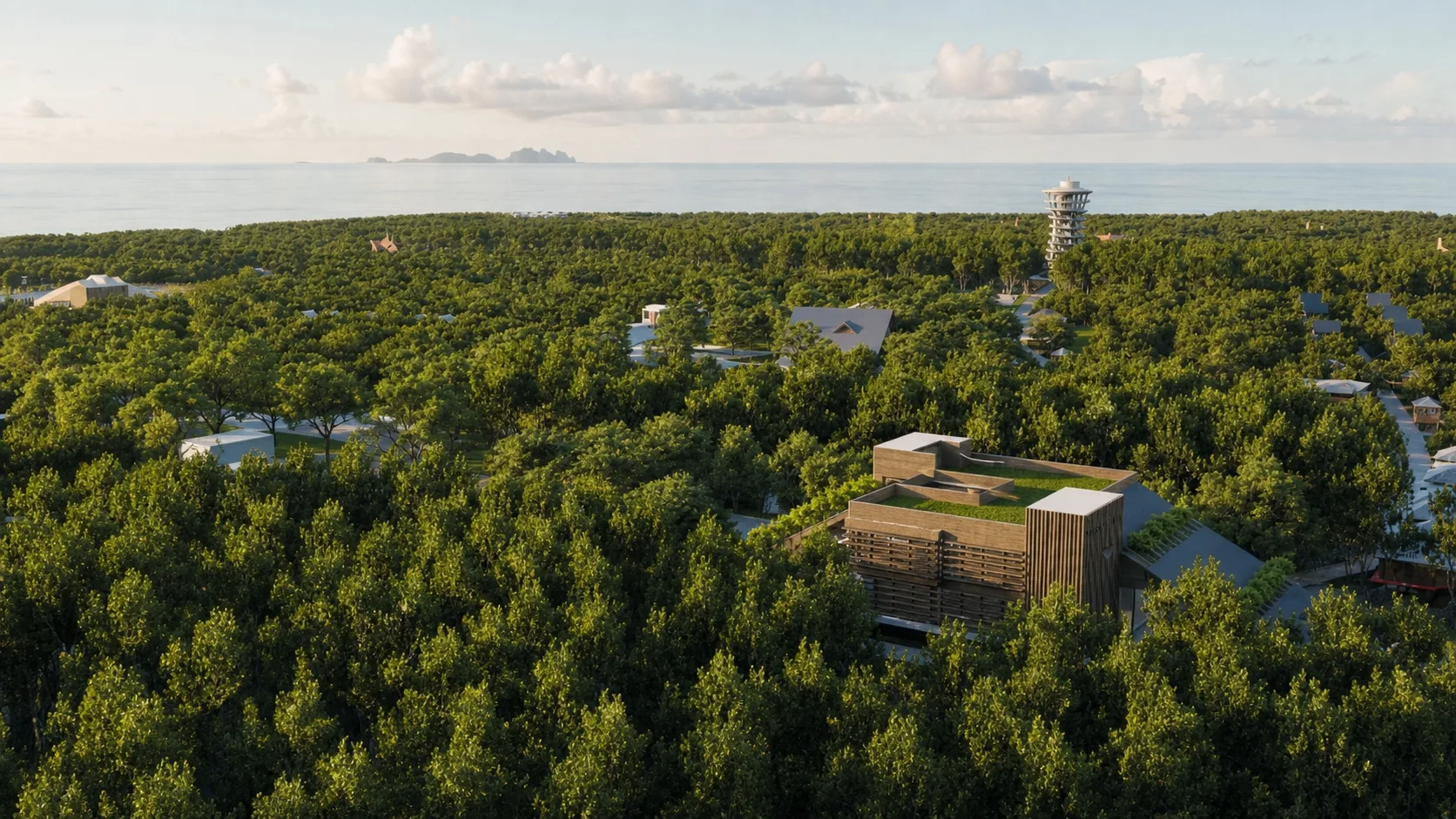
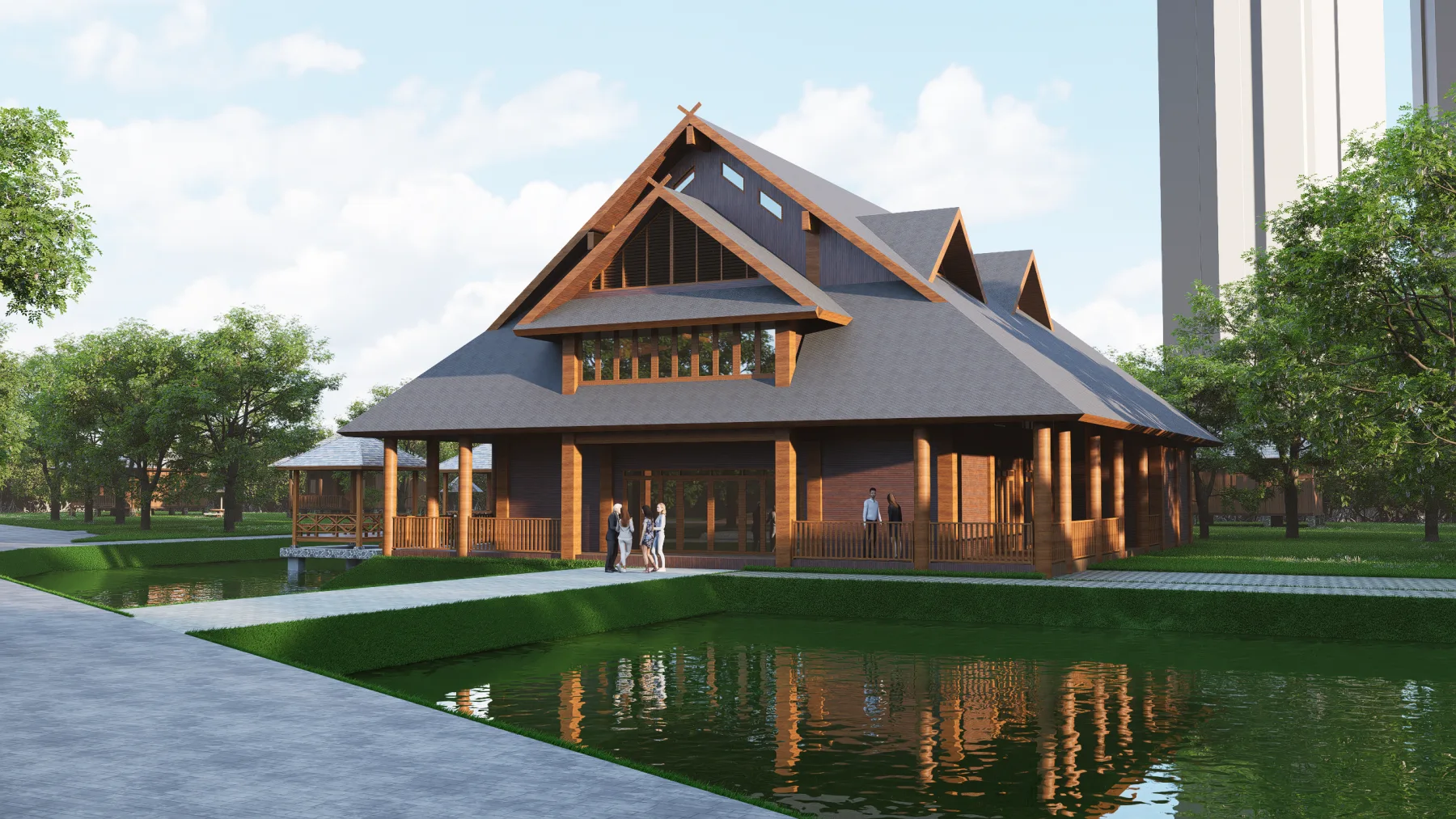
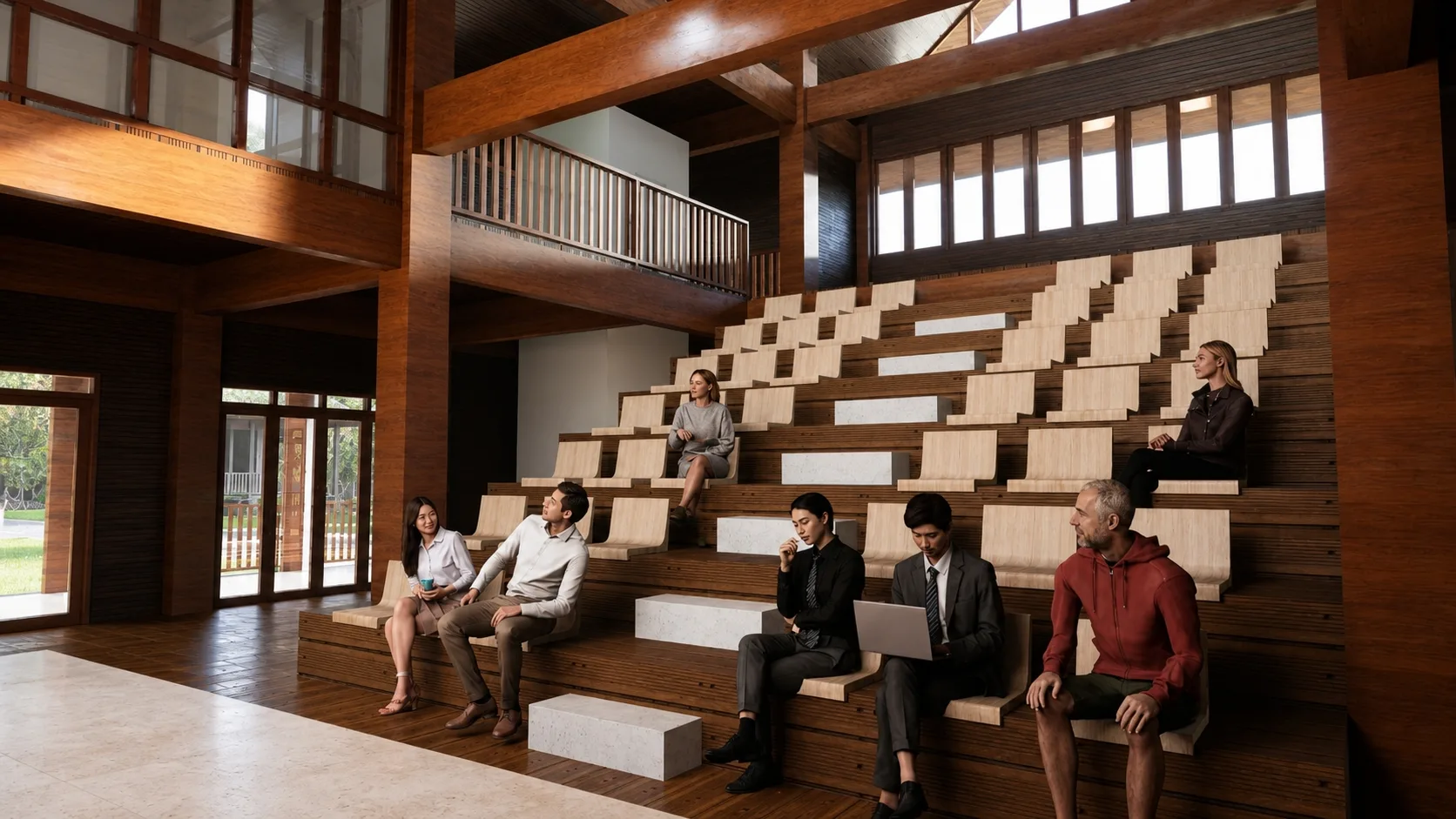
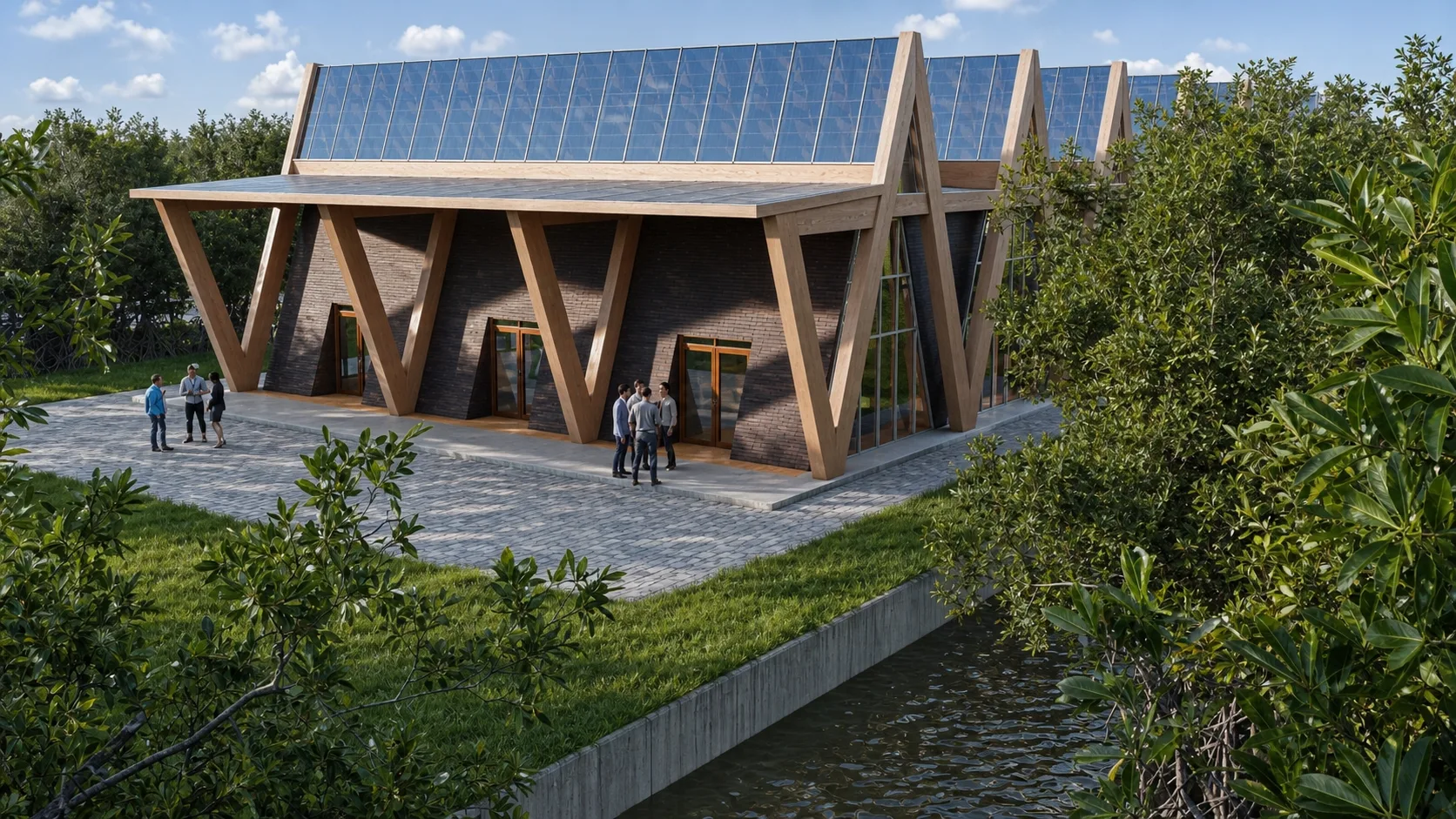
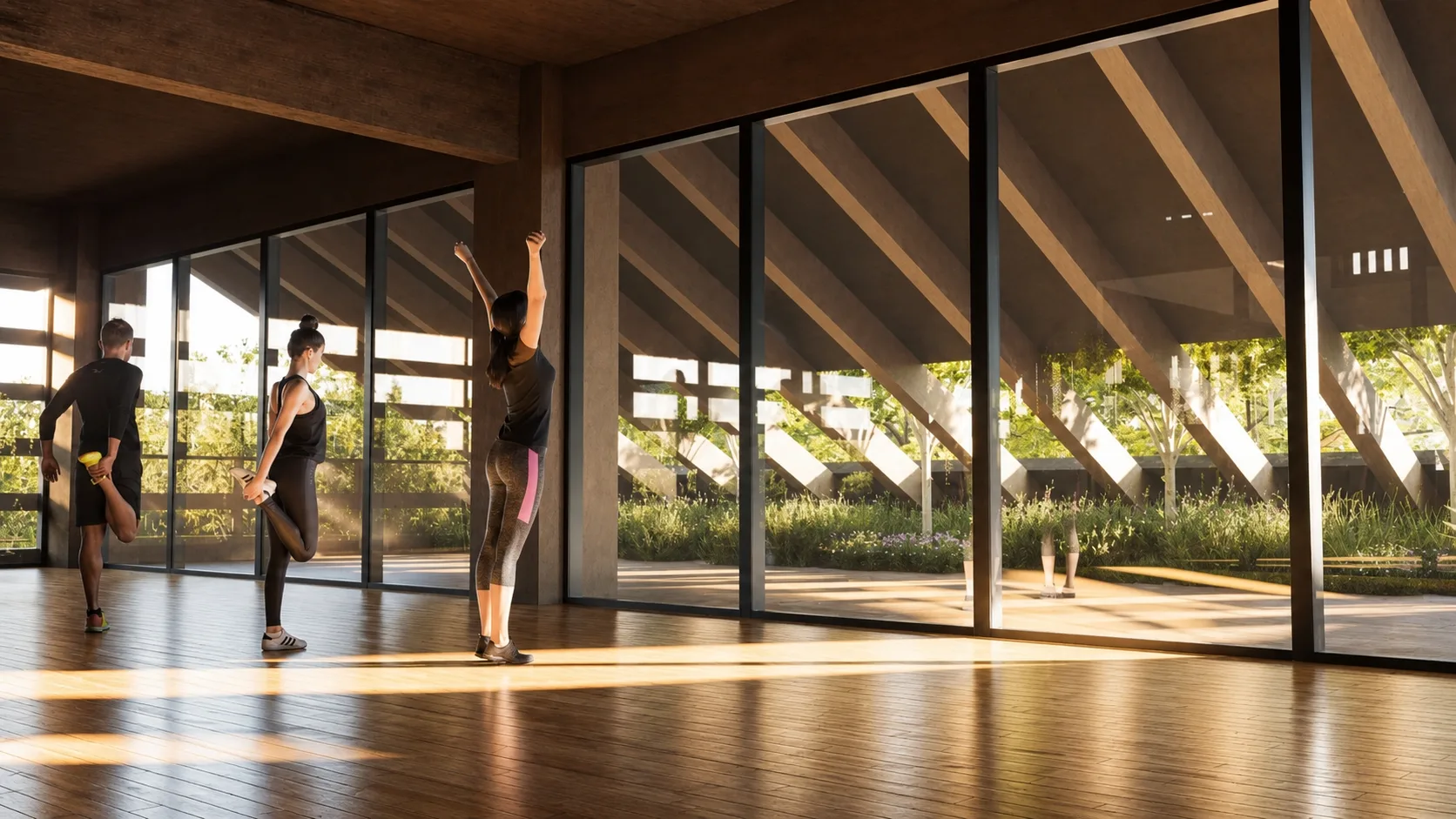
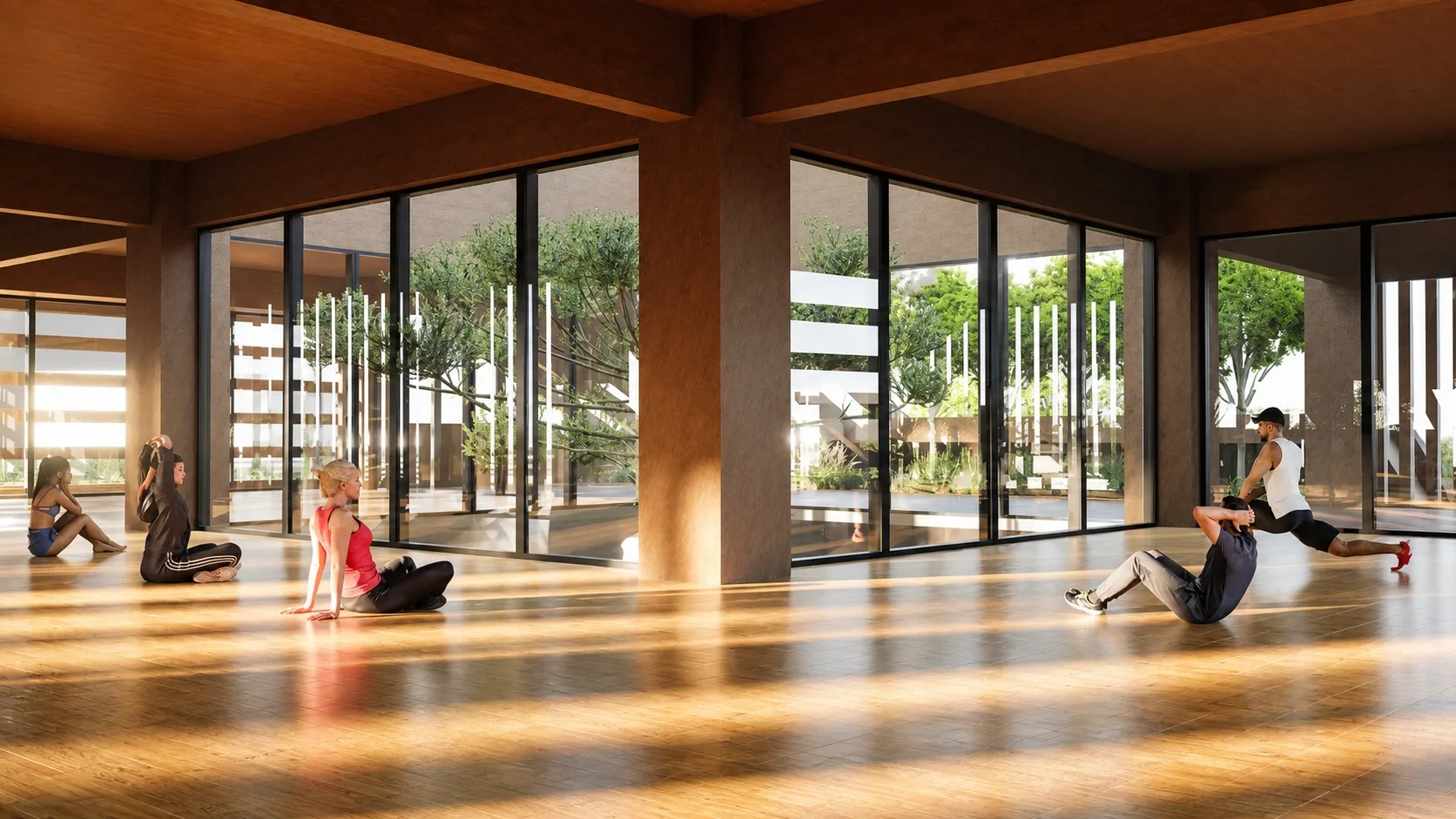
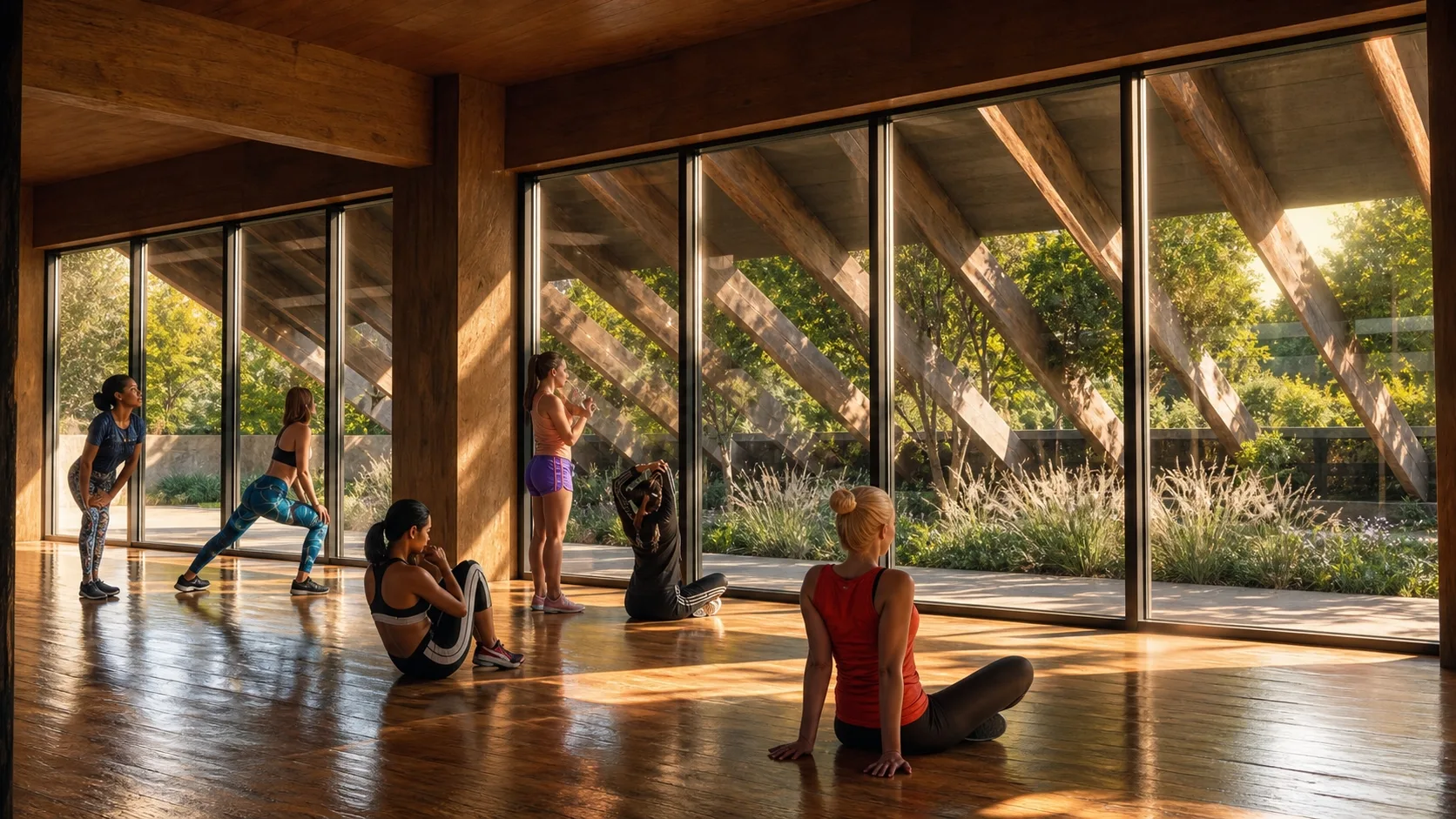
Architectural interventions are intentionally designed with minimal footprints and passive cooling strategies that capitalize on the mangrove microclimate, which naturally remains 2-4°C cooler than surrounding open areas. Signature facilities include a 2,869-square-meter Wellness and Education Gallery built with CLT modular boxes, and a 32-meter Elevated Viewing Tower Café that features a spiral ramp and living vertical vegetation. The plan also introduces a 1,524-square-meter Intimate Elevated Amphitheater with a strict 50-decibel acoustic limit to protect local wildlife, alongside 29-square-meter Organic & Luxury Tree Bungalows nestled in the canopy and equipped with modern composting toilets.
To fulfill its Net-Zero Energy and Water commitments, TWAAK integrates a suite of decentralized clean technologies. Because coastal wind speeds are too low for turbines, energy generation relies entirely on rooftop and elevated solar PV systems, which are aim to be funded through Energy Service Company (ESCO) partnerships to eliminate upfront capital costs. Water independence is supported by expansive retention ponds for rainwater harvesting, reverse osmosis systems for saline water, and Atmospheric Water Generators (AWGs) that extract clean drinking water directly from air humidity, drastically reducing plastic bottle waste across the resort.